
uchemark
© 2025 uchemark. All rights reserved.
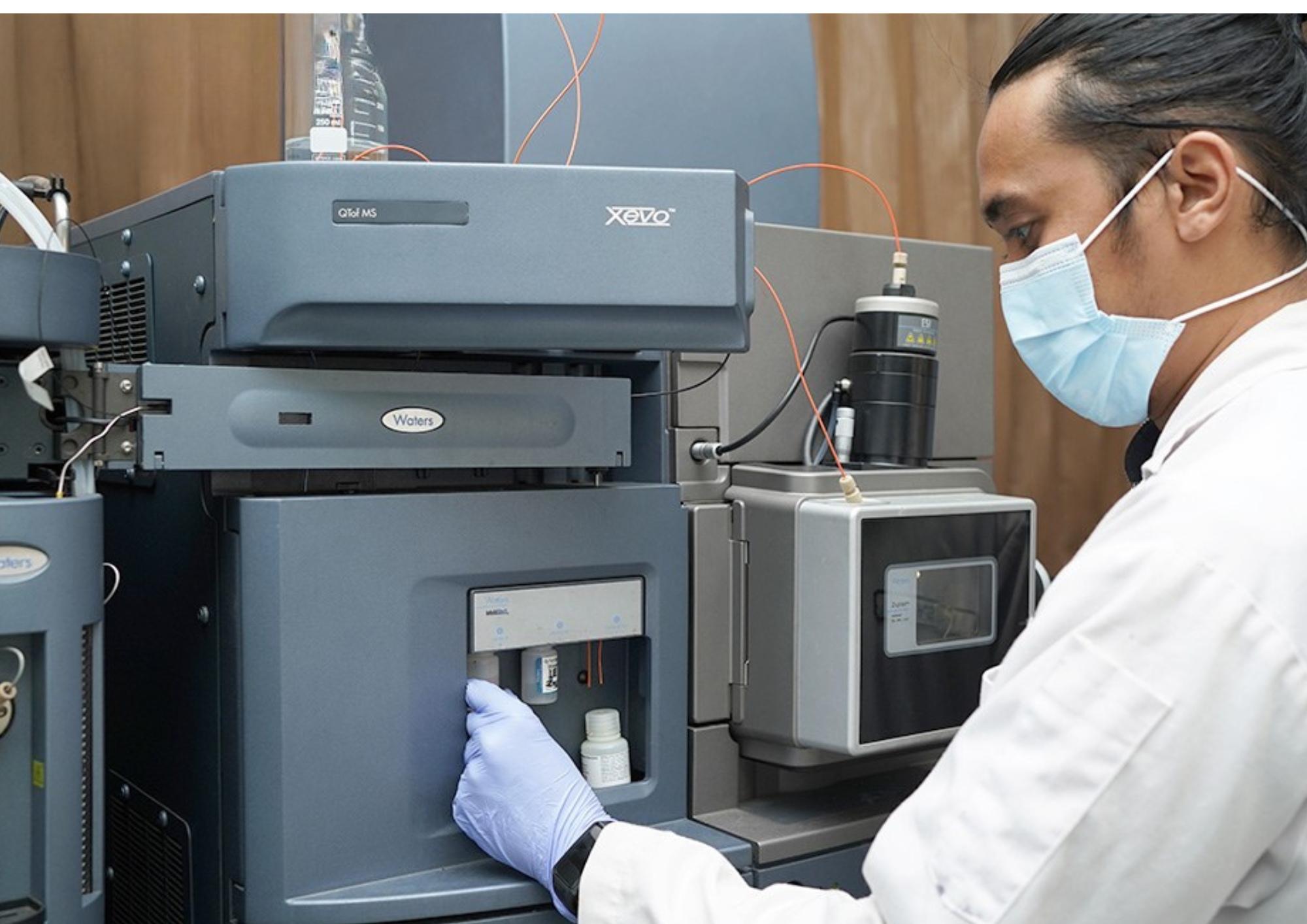
Comprehensive guide to developing robust HPLC methods for pharmaceutical compounds, including method validation and troubleshooting techniques.
High-Performance Liquid Chromatography (HPLC) remains the gold standard for pharmaceutical analysis, offering unparalleled separation efficiency and quantitative accuracy. This comprehensive guide explores advanced method development strategies that ensure robust, reliable analytical procedures for pharmaceutical compounds.
Successful HPLC method development begins with a thorough understanding of your analyte's physicochemical properties. Key parameters include:
The choice of stationary phase is critical for achieving optimal separation. Modern pharmaceutical analysis typically employs:
The workhorse of pharmaceutical HPLC, C18 columns provide excellent retention for moderately polar to non-polar compounds. Consider particle size (1.7-5 μm) based on your system capabilities and resolution requirements.
Ideal for aromatic compounds, phenyl phases offer unique selectivity through π-π interactions. Particularly useful for separating structural isomers and compounds with similar hydrophobicity.
Hydrophilic Interaction Liquid Chromatography excels for polar compounds that show poor retention on reversed-phase columns. Essential for metabolite analysis and polar drug substances.
Mobile phase composition directly impacts resolution, peak shape, and method robustness. Key considerations include:
Choose buffers with pKa values within ±1 unit of your target pH. Common pharmaceutical buffers include:
Acetonitrile and methanol remain the primary organic modifiers, each offering distinct advantages:
Robust method validation ensures regulatory compliance and analytical reliability. Focus on these critical parameters:
Demonstrate separation of the analyte from potential interferences including:
Establish linearity across the analytical range (typically 80-120% of target concentration). Ensure correlation coefficient ≥0.999 for pharmaceutical applications.
Evaluate both repeatability (same day, same analyst) and intermediate precision (different days, analysts, equipment). Target RSD ≤2.0% for assay methods.
Tailing peaks often indicate:
Improve separation through:
Ultra-High Performance Liquid Chromatography offers significant advantages:
Implement systematic method development using:
Ensure compliance with current guidelines:
Successful HPLC method development requires a systematic approach combining theoretical understanding with practical experience. By following these best practices and staying current with technological advances, analytical chemists can develop robust, reliable methods that meet the demanding requirements of pharmaceutical analysis.
Remember that method development is an iterative process. Start with a solid foundation based on analyte properties, optimize systematically, and always validate thoroughly. The investment in proper method development pays dividends in reliable results and regulatory compliance.